Light Density Wigs & Toppers vs High Density. Which is best for you?
Low Density vs. High Density Wigs & Toppers: Understanding Hair Volume, Realism, Comfort & Lifestyle Fit
Choosing a wig or topper is about much more than simply selecting a color or style. One of the most important — and often misunderstood — aspects of alternative hair is density. Hair density refers to both the amount of hair sewn into the cap and how full the hair appears when worn. Understanding density can completely change how natural, comfortable, and wearable your wig or topper feels in everyday life.
At Wigvana Wigs, we often tell customers that a gorgeous wig on the wrong person can still feel “wrong.” Density is one of the biggest reasons why. Some women want glamorous fullness and dramatic styling options, while others are searching for the soft, realistic appearance of naturally thinning hair or a lightweight everyday feel.
There is no universal “best” density. The right choice depends on your lifestyle, comfort preferences, bio hair situation, styling goals, climate, and personal confidence.
Let’s break down the differences between low density and higher density wigs and toppers so you can make a confident, informed decision.
What Does Wig Density Actually Mean?
Wig density refers to how much hair fiber or human hair is sewn into the wig or topper cap. In simple terms:
-
Low density wigs/topper = less hair sewn into the cap for a lighter, more natural appearance
-
Higher density wigs/topper = more hair sewn into the cap for fuller volume and dramatic styling
Density affects:
-
How realistic the hairline and overall style appear
-
How heavy or lightweight the piece feels
-
How cool or warm the wig wears
-
How easily the hair moves
-
Styling versatility
-
Longevity and maintenance
-
How closely the hair matches your natural biological hair
Many first-time wig wearers assume more hair equals better hair. In reality, too much density can sometimes look bulky, overwhelming, or unnatural — especially for women transitioning from fine or thinning hair.
Understanding Low Density Wigs & Toppers
What Is a Low Density Wig?
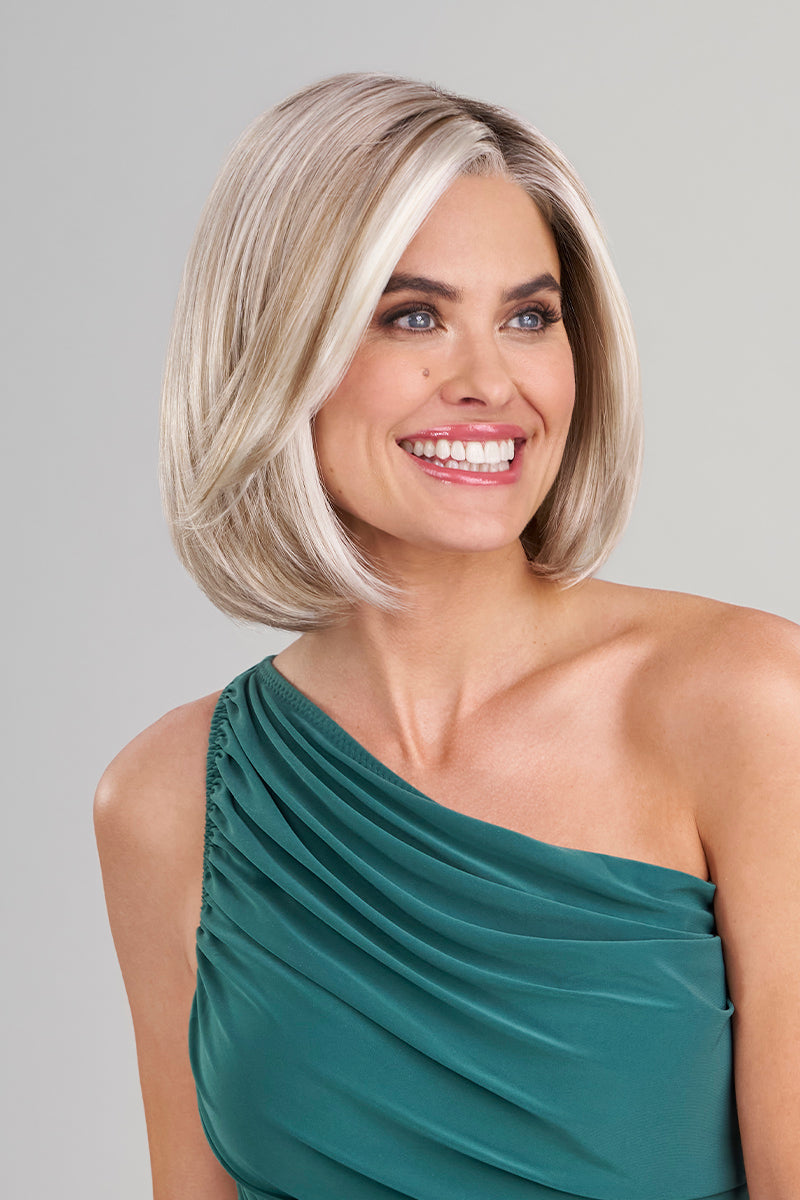
Low density wigs and toppers are designed with less hair sewn into the cap. The result is a softer, lighter, more realistic appearance that closely mimics naturally fine to medium-density hair.
These pieces often have:
-
Softer movement
-
Less bulk around the sides and nape
-
A more natural scalp appearance
-
Lightweight comfort
-
Easier everyday wearability
For many women, especially newer wig wearers, low density styles feel less intimidating and more believable.
Benefits of Low Density Hair
Natural Realism
One of the biggest advantages of low density wigs is realism. Natural hair on most women is not extremely thick from roots to ends. Lower density often mimics real biological hair more accurately, especially for mature women or women experiencing hair thinning.
Low density toppers are particularly important when blending with existing hair. Too much hair in a topper can create an obvious disconnect between the topper and the biological hair underneath.
Lightweight Comfort
Less hair means less weight. This can make a huge difference for:
-
All-day wearers
-
Women with scalp sensitivity
-
Women experiencing medical hair loss
-
Hot climate living
-
Summer wear
-
Active lifestyles
Customers living in warmer areas often prefer lighter density pieces because they feel cooler and more breathable throughout the day.
Easier Daily Maintenance
Lower density hair:
-
Washes faster
-
Dries faster
-
Tangles less
-
Requires less product
-
Is easier to manage for beginners
Women who wear wigs daily for work, parenting, travel, or medical reasons often appreciate the simplicity and practicality of lighter density styles.
More Age Appropriate for Some Women
Very high-density hair can sometimes unintentionally age a woman because it looks unrealistic compared to natural age-related hair changes. Softer density often creates a more effortless, elegant appearance.
Lifestyle Considerations for Low Density Wigs & Toppers
Low density may be ideal if you:
-
Are new to wigs
-
Want the most natural appearance possible
-
Have naturally fine or thin biological hair
-
Live in a warm climate
-
Wear wigs every day
-
Prefer “throw on and go” styling
-
Want lightweight comfort
-
Need easier maintenance
-
Want hair that moves naturally
Low density is especially popular among women seeking believable everyday hair rather than dramatic glam volume.
Understanding Higher Density Wigs & Toppers
What Is a Higher Density Wig?
Higher density wigs contain significantly more hair sewn into the cap. These styles create:
-
Fuller volume
-
More dramatic styling potential
-
Thicker ponytails and braids
-
More overall body and glamor
These wigs are often associated with salon blowout styles, celebrity-inspired volume, or luxurious fullness.
Benefits of Higher Density Hair
Fuller Glamorous Appearance
Many women simply love the confidence and beauty of fuller hair. Higher density wigs can create:
-
Luxurious body
-
Big volume
-
Red carpet styling
-
Dramatic layering
-
Fuller curls
-
Thicker ends
For women who always had naturally thick hair, lower density wigs can sometimes feel “too flat” or unfamiliar.
Better Styling Versatility
More hair means:
-
Greater heat styling options
-
More fullness for curls
-
Easier updos
-
Larger braids
-
Better volume retention
Higher density wigs often hold styled looks more dramatically and allow for more transformation.
Better Coverage for Certain Hair Loss Situations
Some women prefer fuller density because it creates:
-
More scalp concealment
-
Fuller perimeter coverage
-
Greater confidence in windy conditions
-
Less concern about seeing through the hair
Lifestyle Considerations for Higher Density Wigs & Toppers
Higher density may work best if you:
-
Love glamorous styling
-
Frequently curl or heat-style your hair
-
Prefer fuller volume
-
Wear hair in updos often
-
Have naturally thick biological hair
-
Want a dramatic transformation
-
Don’t mind additional maintenance
-
Primarily wear wigs for fashion rather than convenience
However, fuller density also comes with trade-offs.
Potential Challenges of Higher Density Hair
Heat & Weight
More hair means:
-
More warmth
-
More weight
-
Longer drying times
-
Greater tangling potential
-
More maintenance
For daily wearers in warm climates, very dense wigs can sometimes become uncomfortable.
Can Look Less Realistic
One of the most common mistakes newer wig wearers make is choosing too much density. Extremely thick hair may:
-
Look “wiggy”
-
Overwhelm petite facial features
-
Appear unnatural at the hairline
-
Create excessive bulk around the ears and nape
Realistic density is often more flattering than maximum density.
Density Matters Even More in Toppers
With toppers, density becomes even more important because the piece must blend seamlessly with existing biological hair.
A topper that is too dense compared to your natural hair may:
-
Create a visible line of demarcation
-
Look bulky at the crown
-
Feel difficult to blend
-
Draw unwanted attention
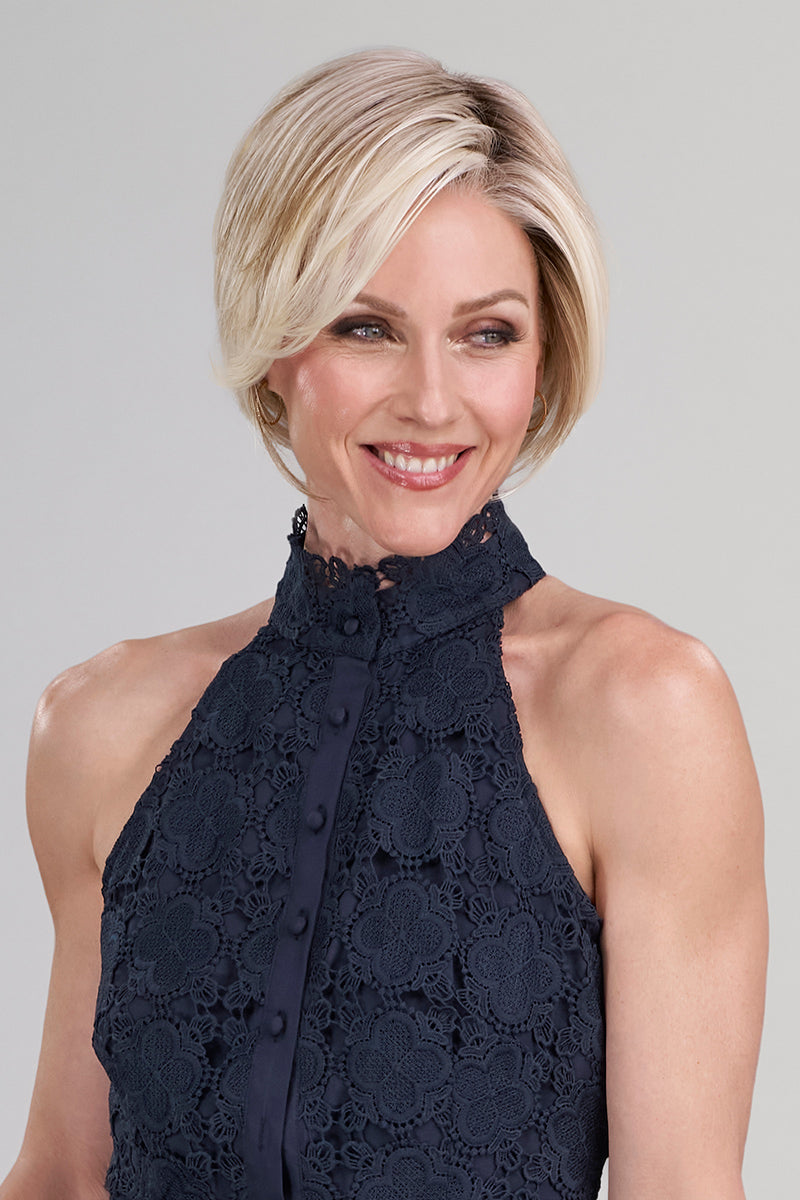
Women with fine or thinning hair often achieve the best realism with low-to-medium density toppers.
Cap Construction Also Affects Density Appearance
Two wigs with identical density levels can look completely different depending on cap construction.
Features such as:
-
Monofilament tops
-
Lace fronts
-
Hand tied caps
-
Open wefting
-
Silk tops
-
PU attachment areas
all influence how density appears and behaves.
For example:
-
Hand tied wigs often appear more natural because hair moves individually
-
Wefted caps can create more volume at the roots
-
Lace fronts soften density around the face
-
Monofilament tops create realistic scalp illusion
At Wigvana Wigs, we always encourage customers to evaluate density together with cap construction — not as separate decisions.
Human Hair vs Synthetic Density Differences
Density also behaves differently depending on fiber type.
Human Hair
-
Often feels naturally heavier
-
Can collapse flatter over time
-
Requires more styling effort for volume
-
May feel denser because of fiber weight
Synthetic Hair
-
Often maintains built-in volume
-
Holds style memory
-
Can appear fuller even at lower densities
-
Lightweight modern synthetics can mimic natural movement beautifully
This is why a low-density synthetic wig may still appear fuller than a similarly dense human hair wig.
How to Choose the Right Density for You
Ask yourself:
What did my natural hair look like before hair loss?
Choosing density similar to your former natural hair often feels the most emotionally comfortable.
Am I wearing this daily or occasionally?
Daily wearers often prioritize comfort and realism. Occasional fashion wearers may enjoy more fullness.
Do I live in a warm climate?
Lower density is frequently more comfortable in heat.
How much styling do I realistically want to do?
Higher density generally requires more effort and maintenance.
Do I want people to notice my hair — or not notice it?
Some women want transformation. Others want invisibility and realism.
Both are valid.
The Wigvana Wigs Philosophy on Density
At Wigvana Wigs, we believe the “best” density is the one that supports your real life — not just what looks beautiful on a mannequin or social media.
The right wig should help you feel:
-
Comfortable
-
Confident
-
Natural
-
Beautiful
-
Like yourself
Sometimes that means soft, low-density realism. Other times it means glamorous fullness and styling versatility.
There is no wrong choice when the hair supports your lifestyle, confidence, and personal goals.
Our role is not simply to sell hair. It is to help guide each customer toward the piece that truly works for their everyday life, comfort level, and vision of themselves.
Because the perfect hair is never just about how it looks.
It’s about how it makes you feel.

Written by Wigvana Wigs

Leave a comment
This site is protected by hCaptcha and the hCaptcha Privacy Policy and Terms of Service apply.